How repeat prescriptions work online
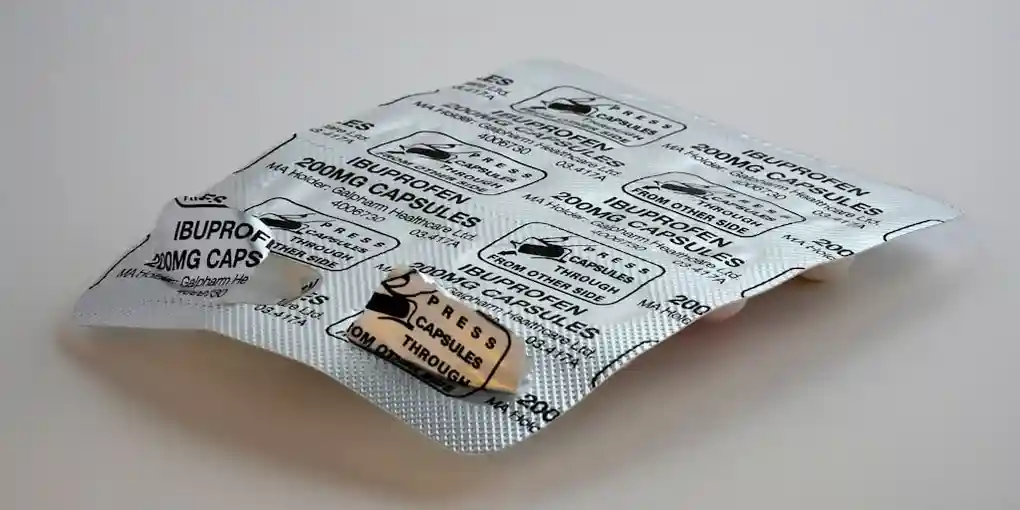
If you take regular medication, the repeat prescription cycle is a familiar chore: ring the surgery, hold for fifteen minutes, wait for the prescription, then queue at the pharmacy. Online services have quietly changed all of that — and it’s easier than you might think.
The basics of an online repeat prescription
An online repeat prescription works much like one from your local surgery, but with the admin handled for you. After an initial consultation, your GP sets up the repeat, and each reorder is a few clicks in your patient dashboard. The prescription is then sent electronically to the pharmacy of your choice — your local chemist, a supermarket pharmacy, or a partner online pharmacy that can deliver to your door.
What to expect when you reorder
Reordering is only half the story. Responsible providers don’t simply refill medication on autopilot. Your GP will review your request, and at sensible intervals invite you for a short consultation to check the treatment is still working and that any required monitoring — a blood pressure check for hypertensive medication, for example — is up to date.
What it costs
Most providers charge a flat fee for the initial consultation (Meridian Health charges £29, with no subscription). The medication itself is charged at the standard pharmacy rate, plus the NHS prescription charge of £9.90 if you’d normally be liable for it. If you’re exempt — through age, income or a medical condition — you’ll only pay for the medication, if anything.
Safety first
A few things to keep in mind. Only reorder medication that’s been properly prescribed for you, never share prescriptions between household members, and be honest with your GP about any over-the-counter remedies or supplements you’re taking — some combinations genuinely are dangerous. If your symptoms change or a side effect bothers you, don’t wait for your next reorder to raise it.
Done properly, online repeat prescriptions aren’t just convenient — they free up GP time for the people who need it most. That’s better for you, and better for the NHS.